
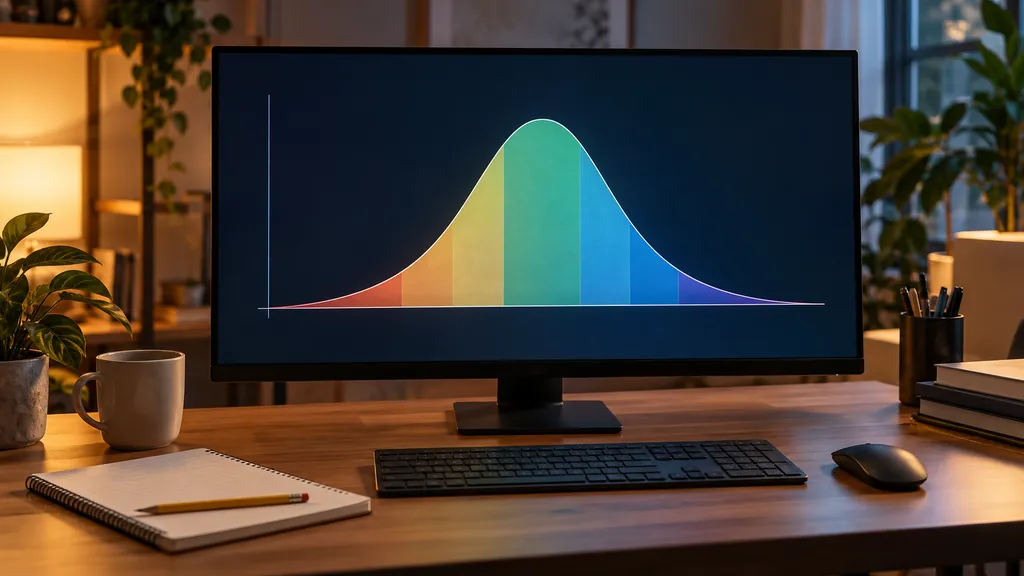
The Rainbow Six Siege rank distribution is really a story told in eight chapters, one for each rank from Copper to Champion, with the Legend Division now sitting above them all. Most guides reduce that story to a single chart of rank percentages. This one goes tier by tier instead, explaining what each rank typically means, what players there usually do well and badly, and what tends to move people up to the next step.
One thing first, because it shapes everything else. Ubisoft doesn’t publish official rank percentages for Siege. The charts you see online are estimates made by third-party sites from the profiles they track, and those samples lean in predictable ways. So this guide explains the shape of the ladder and what each of the ranked tiers usually looks like in play, and any number you see here is clearly marked as illustrative.
How the Rainbow Six Siege rank distribution is built in 2026
Ranked 3.0 went live with Y11S2 Operation System Override in June 2026, and it set the structure the ladder uses today. There are eight ranks, Copper, Bronze, Silver, Gold, Platinum, Emerald, Diamond and Champion, and each has five divisions. Champion gained its five divisions in Ranked 3.0, matching the rest, so the ladder holds 40 divisions in total.
Ranked 3.0 also removed hidden MMR. Matchmaking now uses Rank Points only, which means your visible RP is the value that places you in lobbies. Each season starts with five placement matches that give boosted RP gains and have no squad restrictions. After that, the Demotion Shield can leave you at 0 RP in your current division after a loss that would have dropped you, provided you started the match above 0 RP.
Above Champion, Y11S3 Operation Split Fire added the Legend Division in September 2026. Ubisoft said it replaces the featured Champion leaderboard. Only players who meet its entry rules appear there, so it’s a gated layer on top of the ranked tiers rather than a ninth rank anyone can grind into.
Finally, remember who’s counted. Ranked needs a paid edition and player level 50, and PC and console ranks are separate ladders, with rank shared across consoles. Every Rainbow Six Siege rank distribution is really two distributions, one for PC and one for console, built only from ranked players.
Why there are no official rank percentages
Ubisoft explains the rules of ranked in detail, but it doesn’t publish how many players sit in each rank. The Ranked 3.0 announcement covers ranks, divisions, placements and squad limits, and it has no table of rank percentages. Ubisoft also hasn’t published Ranked 3.0 RP thresholds in the announcement. Under Ranked 2.0 it did say each division consisted of 100 RP, but that’s the older system.
How trackers estimate rank percentages
Third-party stat sites store the profiles people search on them. Some count the ranks in that pool and publish the result as rank percentages. The method is simple and the output can look authoritative, but it describes “the profiles this site has seen” rather than every ranked player in the game.
Why those samples are biased
- Who searches. Competitive players check trackers far more than casual ones, so higher ranked tiers are overrepresented.
- Which platform. Trackers may be used more on one platform, and PC and console are separate ladders.
- When in the season. Early snapshots miss everyone still in placements or not yet playing.
- Stale profiles. Accounts that played once and stopped can linger in the sample.
- Missed data. Fan trackers can miss matches or update late.
Put together, tracker rank percentages usually make the ranked tiers look higher than they really are. Use them to understand the general shape, never as facts about the whole player base.

The ranked tiers at a glance
Before going rank by rank, here’s a summary of the ranked tiers with the official structure and a practical focus for each. The “where it sits” column describes position on the ladder, not a percentage.
| Rank | Divisions | Squad range | Where it sits | Main focus to climb |
|---|---|---|---|---|
| Copper | 5 | Within 3 full ranks | Bottom | Map basics, survival |
| Bronze | 5 | Within 3 full ranks | Lower | Crosshair placement, droning |
| Silver | 5 | Within 3 full ranks | Lower middle | Positioning, fewer wide peeks |
| Gold | 5 | Within 3 full ranks | Middle | Utility, trading |
| Platinum | 5 | Within 3 full ranks | Upper middle | Team play, rotations |
| Emerald | 5 | Within 3 full ranks | Upper | Consistency, mid-round calls |
| Diamond | 5 | Within 2 full ranks | High | Discipline, clutch play |
| Champion | 5 | Within 2 full ranks | Top rank | Small edges every round |
The squad ranges come straight from Ranked 3.0. Placement matches have no squad restrictions, so you might see wider stacks early in a season before the normal limits apply.
Lower ranked tiers from Copper to Silver
The bottom of the Rainbow Six Siege rank distribution is the busiest place for learning. It’s also the most volatile part of the ranked tiers, because new ranked players, returning players and people trying new operators all pass through here.
Copper
Copper usually means a player is new to ranked or still learning how Siege works. Common habits include running into rooms without droning, peeking wide angles and not knowing where objectives sit on each map. The fastest way out isn’t aim training. It’s survival. Stay alive longer, learn two or three maps and let teammates take the first fight.
In stat terms, Copper players often have low kills per round simply because they die early. Track deaths per round for a week. If that number falls, wins usually follow, and you’ll start drifting up the ranked tiers without changing anything else.
Bronze
Bronze players usually know the basics but make the same mistake twice. Crosshairs drift to the floor, utility is used randomly and rounds are lost in the prep phase. Keep your crosshair at head height, drone before you peek and pick operators with simple, strong utility.
Bronze is a rank where one good habit pays off fast. Players who start droning every round often find their win rate improves before their K/D does, which is exactly the right order. Bronze sits low in the Rainbow Six Siege rank distribution, but it rarely holds a player who keeps learning for long.
Silver
Silver is where mechanics start to matter, but positioning still decides most fights. Silver players often win a duel and then die to the trade because they pushed alone. Play off teammates, hold angles that only expose you to one direction, and learn the rotation holes on the maps you play most.
Silver is also where many returning players land after a long break. If that’s you, don’t judge yourself by your old rank. Play a few weeks, let the RP settle and then decide where you really sit among the ranked tiers.
The middle of the Rainbow Six Siege rank distribution
Gold and Platinum make up the core of the Rainbow Six Siege rank distribution on most estimates, even after you allow for tracker bias. This is where solid fundamentals meet uneven teamwork, and where small habits make the difference between drifting and climbing.
Gold
Gold is the honest middle of ranked play. Players here can aim, know common sites and win plenty of fights. What holds them back is usually utility and trading. Impacts get thrown at nothing, flashes are wasted and teammates die one at a time. If you’re Gold, pick one utility habit per week, such as opening a rotation with every Impact, and stick to it.
Gold is where tracker rank percentages are most misleading, because it’s crowded enough that small sampling quirks swing the chart. Being Gold doesn’t mean you’re stuck. It means you’re in the thick of the Rainbow Six Siege rank distribution, where improvement shows up quickest in your own results.
Platinum
Platinum players are good. Mechanics and map knowledge are in place, and lobbies punish sloppy play. The jump from here comes from team play, so call out what you see, rotate early on defense and play for the plant on attack instead of chasing kills. Platinum also matters for the Legend Division, since Platinum or higher in Season 2 was one of its entry conditions.
A useful Platinum check is your attack win rate compared with your defense win rate. Big gaps between the two usually point to one side where teamwork breaks down. Fixing that side is often the fastest route to Emerald.

Upper ranked tiers from Emerald to Champion
The top end of the Rainbow Six Siege rank distribution gets thinner with every step, and no chart of rank percentages changes that. Lobbies are full of players who’ve already fixed the obvious mistakes, so progress comes from consistency and small edges.
Emerald
Emerald arrived with Ranked 2.0 in December 2022, sitting between Platinum and Diamond. It usually marks players who play with intent. They drone, trade and use utility on purpose. The gap to Diamond is often consistency. Emerald players can play brilliantly and then throw a round on a lazy peek. Review your losses and you’ll often find the same type of death repeating.
Emerald players also tend to have deeper operator pools. If a ban takes away your main, you should still have a confident second pick on each side, otherwise a single ban can cost you a round before it starts.
Diamond
Diamond is a strong all-round rank. From here the squad limit tightens to teammates within 2 full ranks, so you can’t be carried far. Diamond players climb by being disciplined. They avoid tilted sessions, play clutches calmly and understand when not to take a fight.
Diamond is high enough in the ranked tiers that most matches feel close. Session length matters more than people expect. Many Diamond players do their best climbing in short, focused blocks rather than long evenings that end on a losing streak.
Champion
Champion is the highest of the eight ranks and, under Ranked 3.0, has five divisions like the rest. It represents a small slice of ranked players. Champions tend to show steady results across a lot of matches rather than a single hot streak, and many repeat the rank season after season.
Champion is rare in any Rainbow Six Siege rank distribution, and tracker rank percentages probably still overstate how common it is, because Champions get searched constantly. If you reach it, enjoy it. You’re among a small group on your platform.
How the ranked tiers shift during a season
The Rainbow Six Siege rank distribution isn’t fixed for a season. It moves week by week. Five placement matches with boosted RP gains push players toward their level quickly, so the ladder spreads out fast in the opening days. After that, movement slows and the shape settles.
- Opening week. Many players haven’t played ranked yet, so any chart of rank percentages is incomplete.
- Mid season. The fairest time to compare, since most active players have settled.
- End of season. Committed players keep climbing while casual players stop, which can make the active top look busier.
That’s why a single screenshot of the ranked tiers means little without a date. Always ask when a chart was taken before you compare it with your own rank.
The Legend Division above the ladder
Legend launched with Y11S3 Split Fire, according to Ubisoft’s official season list, and it replaces the featured Champion leaderboard. Entry needs Platinum or higher in Season 2, Champion in Season 3, the R6 ShieldGuard Secure Platform and app-based 2-Step verification. Because of those gates, Legend isn’t a normal part of the ranked tiers. It’s a separate, verified list for the very top. Our guide to the top of the Rainbow Six Siege leaderboard looks at it in more detail.
Using rank percentages sensibly
Rank percentages from third-party sites aren’t worthless, and the Rainbow Six Siege rank distribution they sketch is usually the right general shape. They can show you that the middle is crowded and the top is thin, which matches how ranked ladders usually look. The trouble starts when people quote them to a decimal place or compare charts from different seasons, platforms and sites.
For example, an illustrative chart might show something like 20 for Gold and 5 for Champion. Those values are made up for this example, and their only job is to show the shape. The lesson is that Gold is common and Champion is rare, not that any exact figure is true. When a site offers real-looking rank percentages, check its platform, season, week and sampling method before trusting it.
A better habit is to compare yourself with yourself. Write down your rank and RP at the start of a season and again every week, and ignore other people’s rank percentages for a while. That tells you whether you’re moving through the ranked tiers, which is the only part of the distribution you control.
Tracking your own climb with Siege Tracker
Siege Tracker is a free website that works in any desktop or mobile browser. It doesn’t pull live data from Ubisoft and has no download, overlay or store app. You enter your own numbers from Ubisoft’s official stats page on ubisoft.com, post-match reports or a tracker you already use.
The free Siege Tracker season tool saves snapshots of RP, wins, losses, kills and deaths, then shows rank progress and trends between sessions. Data stays in your browser, with export, import and delete options. For quick maths, the K/D and win rate calculator checks your numbers in seconds.
Siege Tracker is independent and not affiliated with Ubisoft, and we never ask for your password.
Rainbow Six Siege Rank Distribution FAQ
Where can I find the official Rainbow Six Siege rank distribution?
Ubisoft hasn’t published one in the material we’ve checked, including the Ranked 3.0 announcement. The charts online come from third-party trackers that count ranks among profiles they’ve seen. Treat them as estimates with an upward lean, because competitive players search themselves far more often than casual ones.
Is the Rainbow Six Siege rank distribution the same on PC and console?
No. PC and console are separate ladders, and rank is shared across consoles, so Xbox and PlayStation players sit together. Console players can opt into the PC pool and earn a separate PC rank. Each ladder has its own spread, so compare within your own platform.
Which rank is the most common?
Nobody outside Ubisoft knows for sure. Tracker estimates usually point to the middle ranked tiers, around Gold and Platinum, but those samples skew high. It’s fair to say the middle is crowded and the top is thin, and unfair to name an exact share.
How many divisions does each rank have?
Five. Under Ranked 3.0 every rank, Champion included, has five divisions, which gives 40 divisions across the eight ranks. Legend sits above them for eligible players since Y11S3 Split Fire.
Moving up the Rainbow Six Siege rank distribution
Every one of the ranked tiers has its own lesson. Copper is about surviving, Gold is about utility and trading, Diamond is about discipline. Find your current rank in this guide, pick the one habit that matches it and give it a week of focused play. That’s how people actually move through the ranked tiers.
For more context, our guide to how R6 ranks compare across the player base covers percentiles and platform splits, the Rainbow Six Siege ranks guide explains the full ranking system, and the R6 RP tracker guide shows how to follow Rank Points match by match. If you’re comparing old seasons with this one, read season versus lifetime stats too, and our guide to improving your stats and rank has drills for every tier.
Then open the season tool and save your first snapshot. Your own line through the ladder is the part of the distribution that matters most.